You want to bring home a gift that actually says something — something rooted in Korean culture, elegant to unwrap, and genuinely enjoyable. But standing in a Myeongdong shop surrounded by identical cosmetics sets and generic snack bags, most visitors come up blank. The truth is, Korea has a centuries-old tea tradition and a world of artisan confections that produce some of Asia’s most gift-worthy sets. Most tourists walk right past them — this guide ensures you won’t.
목차(Contents)
Key Takeaways
- O’Sulloc (Jeju Island) is Korea’s most recognized premium tea brand, with elegantly packaged gift sets ranging from approximately $24–$43 USD — available via Olive Young Global and the official O’Sulloc international store.
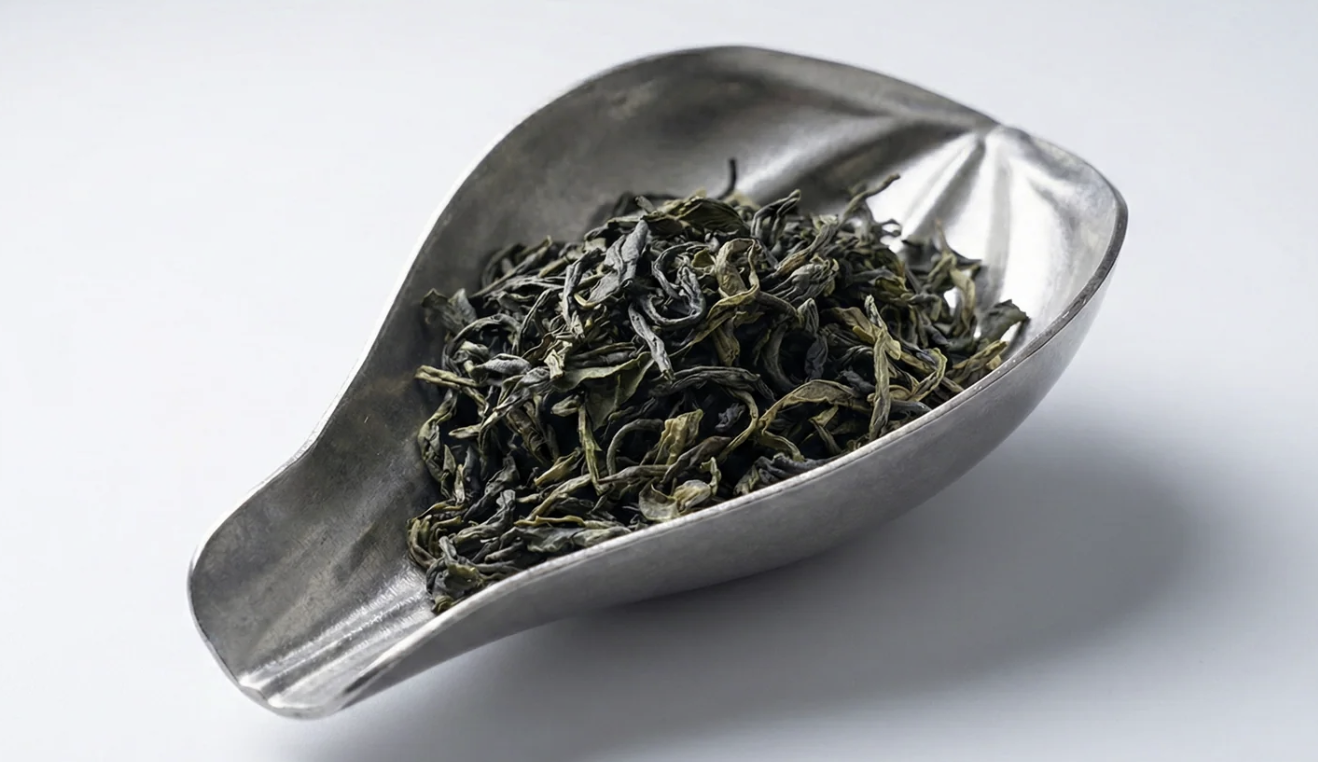
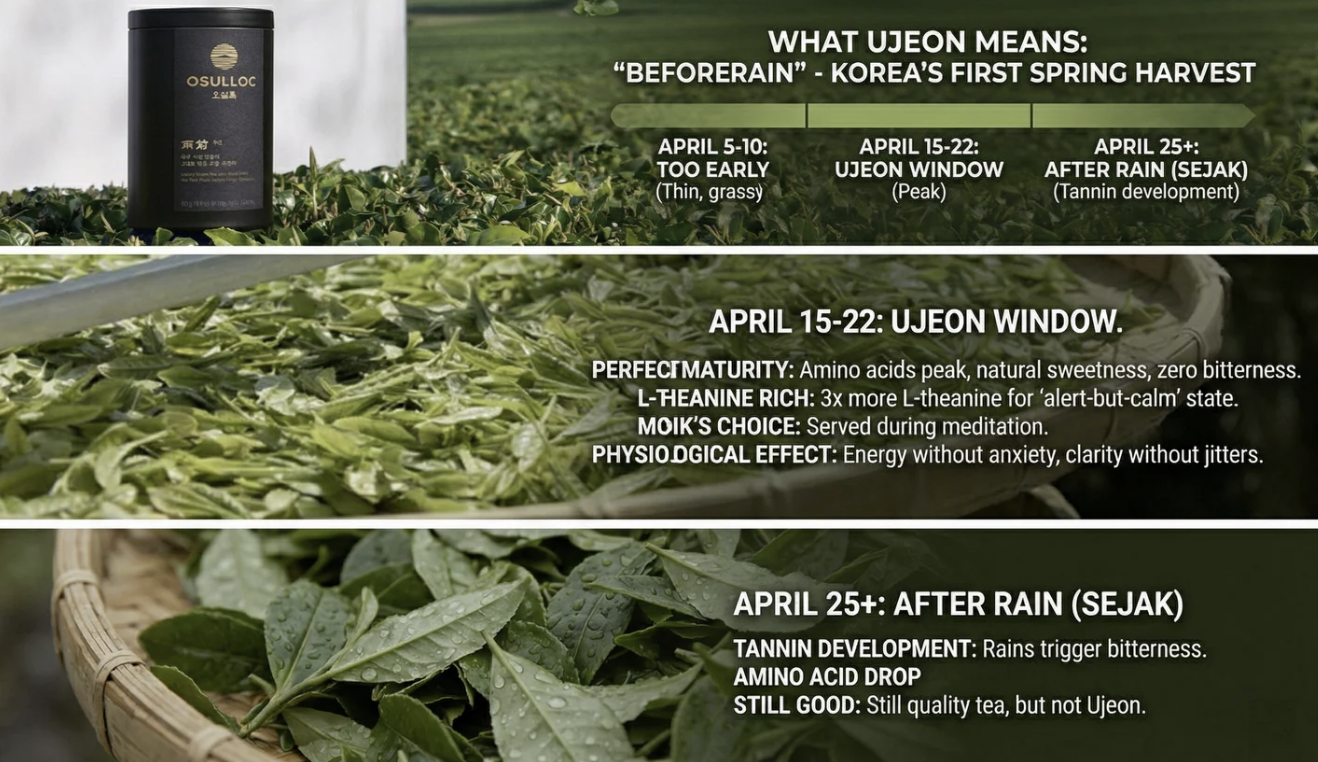
- Ssanggye Tea’s First Flush Ujeon from Hadong is hand-harvested before April 20 and historically presented to Korean royalty — the definitive choice for gifting serious tea connoisseurs (approx. KRW 50,000 per 30g).
- Traditional hangwa (yakgwa, gangjeong) from department store food halls are the most authentic K-snack gifts under KRW 30,000 and pass international customs without issues when commercially sealed.
Korea’s three main tea-growing regions — Jeju Island, Boseong, and Hadong — each produce distinct flavor profiles that form the backbone of the country’s premium gift set market.
Why Korean Tea & Snack Gifts Beat Everything Else
Korea’s tea culture stretches back nearly a thousand years, rooted in Buddhist temple ceremonies and Joseon-era royal court rituals. Unlike Japanese matcha or Chinese oolong, Korean green tea (nokcha) is prized for its clean sweetness, low bitterness, and seasonal precision — the finest grades harvested by hand within a narrow spring window. A gift set built around this tradition carries a depth of story that no cosmetics set or airport snack box can match. Beyond tea, Korea’s classic confections (hangwa) are crafted from naturally fermented glutinous rice, honey, and botanical ingredients with no artificial additives — a genuine rarity in the global snack market.
For foreigners, the practical upside is presentation. Leading brands like O’Sulloc package their sets in museum-quality gift boxes that require no additional wrapping. Premium confection makers like Sunmi Hangwa and the newer Saero Collective follow the same visual standard. Whether you shop at a department store food hall, an O’Sulloc flagship, or Olive Young Global, the packaging alone signals real cultural thought and effort.
Customs Heads-Up: Commercially sealed hangwa and tea bags pass through most international customs without issue. If you are traveling to Australia or New Zealand, declare all food items — undeclared food can result in fines exceeding $250 AUD/NZD. Keep original packaging intact and carry store receipts as proof of commercial origin.
Top Korean Tea Gift Sets: O’Sulloc, Ssanggye & Beyond
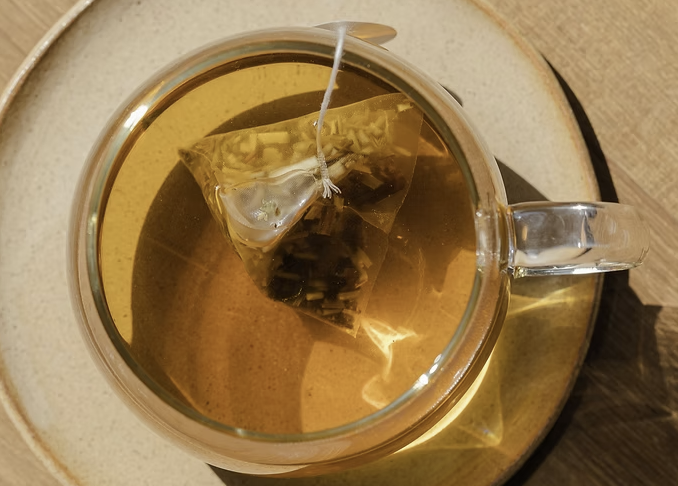
O’Sulloc — founded by AmorePacific and grown on Jeju’s Seogwang Tea Plantation since 2001 — is the benchmark for accessible premium Korean tea gifting. Their Premium Tea Collection (10 flavors, 40 teabags) is their global best-seller: a broad flavor range, consistent quality, and packaging that stands on its own as a decorative object. For a step up, the Masterblend (32 teabags), curated by an in-house tea master, signals a more intentional choice. If you want something with genuine provenance, Ssanggye Tea’s First Flush Ujeon from Hadong — hand-picked before April 20 by Master Kim Dong-gon, the 28th Grand Master of Traditional Korean Food — is considered royal-grade tea with records of cultivation dating back nearly 1,000 years. The “Warmth of Hadong” gift box from Saero Collective packages four Hadong teas (Sejak Green Tea, Yuja Mountain Pear Black Tea, Premium Boricha, and Korean Mint Jaeksal) in 16 pyramid teabags, sourced directly from local farmers — an ideal choice when you want to tell a specific regional story.
| Gift Set | Contents | Price (approx.) | Best For |
|---|---|---|---|
| O’Sulloc Premium Tea Collection | 10 flavors, 40 teabags | ~₩43,000–54,600 | First-time gifters, all tastes |
| O’Sulloc Masterblend | 8 blends, 32 teabags — curated by a tea master | ~₩48,000–54,600 | Avid tea drinkers |
| O’Sulloc Tea Edition Heritage | 9 flavors, 63 teabags — signature collection | ₩127,500 | Premium gifting, large set |
| Ssanggye First Flush Ujeon (30g) | Hand-picked loose leaf, pre-rain spring harvest only | ~₩50,000 | Tea connoisseurs |
| Warmth of Hadong Box | 4 regional flavors, 16 pyramid teabags — farmer-direct | ~$56 USD | Artisan / regional gifting |
Premium Snack Gift Sets: Hangwa, Yakgwa & HBAF
Hangwa — Korea’s traditional confections — are the most culturally meaningful snack gifts available. Yakgwa (honey-soaked wheat cookies with ginger and sesame oil) and gangjeong (crispy sweet rice puffs coated in sesame or grain) are the two most giftable types: individually packaged, shelf-stable for months, and accessible to any palate. Sunmi Hangwa from Gangneung produces a standout six-variety assorted set — from prickly pear to gardenia — made using baegokchal sweet rice fermented for over 20 days with zero artificial additives, a recipe with roots dating back to their founding in 1939. Myeongil Hangwa’s Kkoma Gangjeong (“bite-sized sweet rice puffs”), recognized by Korea’s Ministry of SMEs as a Longevity Small Business across four generations, offers a slightly more modern texture that works especially well for younger recipients. Department store food halls at Lotte, Shinsegae, and Hyundai carry the widest selection, with gift-boxed hangwa sets typically priced between KRW 15,000 and KRW 35,000.
For a popular, non-traditional complement, HBAF flavored almonds from Gilim Co. deserve a dedicated mention. Available in distinctly Korean flavors — garlic bread, tteokbokki, black sesame, and seaweed — these premium nuts have built an international cult following and are easy to find at convenience stores, duty-free counters, and airport departure halls alike.
Insider Tip: Redditors on r/koreatravel and r/Living_in_Korea consistently flag the same two gift combos as unbeatable: (1) Pair boxed yakgwa from a Lotte or Shinsegae food hall with an O’Sulloc tea set for a complete K-gift bundle under KRW 60,000. (2) Add a bag of HBAF almonds in the garlic bread flavor — one frequent visitor writes, “Everyone I’ve brought them back for falls IN LOVE with them.” Both are lightweight, commercially sealed, and clear customs in most countries without declaration.
Conclusion: TalkMaru’s Verdict
For the broadest audience and the safest outcome, the O’Sulloc Premium Tea Collection (10 flavors, 40 teabags) at approximately $33–43 USD remains the single best Korean tea gift you can buy in 2026 — globally shippable, instantly recognizable, and suitable for any taste. Move up to Ssanggye’s First Flush Ujeon or the Warmth of Hadong box when you want to signal genuine knowledge of Korean tea culture. On the snack side, a boxed hangwa set from a department store food hall — yakgwa or Sunmi Hangwa’s assorted box — paired with a bag of HBAF almonds creates a well-rounded gift under KRW 60,000 that travels beautifully and consistently surprises every recipient.
Wait — before you hand over that gift: Korean gift-giving comes with its own set of unspoken cultural rules. From how to present a wrapped item with both hands to which numbers are considered deeply unlucky, getting it wrong can leave an awkward impression despite your best intentions. Our sister site KimchiLandGuide breaks it all down in Korean Etiquette: 5 Cultural Taboos You Must Avoid — essential reading before the handover.